Why were my mission and my AI coach drifting apart?
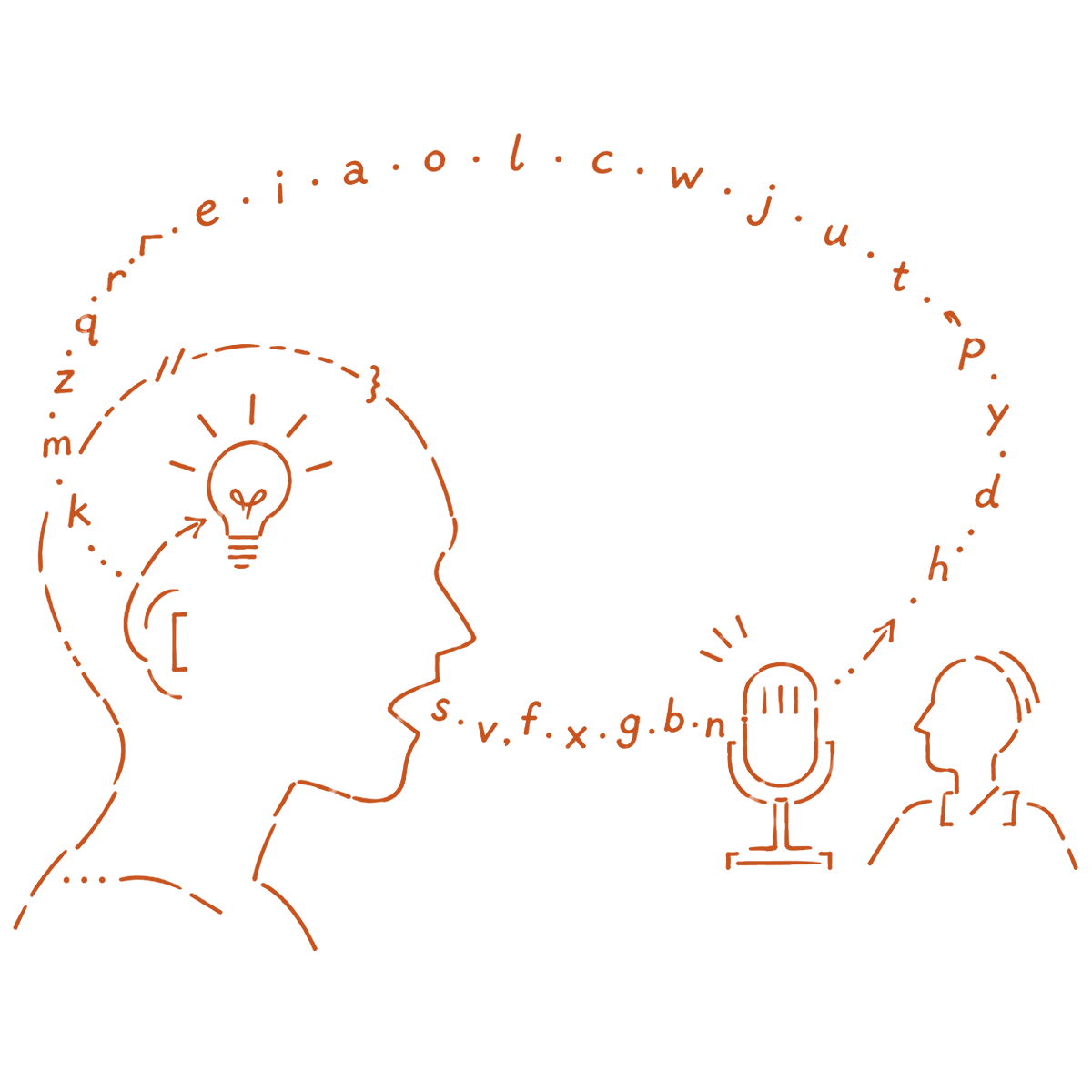
During my interview with Alexa Terry on the Singing Teachers Talk podcast, we were talking about the history of the company and fun facts, like how I came up with the name and how it all turned to the point where we started building an AI vocal coach. The product pivoted in that direction. It was not the first thing that we started with.
At some point she asked a very important question: how do we actually know if our students improve? We have that mission page where we publish improvements in tuning, improvements in range, regular practice. I started commenting on that. It's a crucial piece of the business. It's our mission, so I should be on top of it as nobody else.
Of course I was really enthusiastic. I got a little bit passionate and started sharing from the bottom of my heart. Two years ago, before the AI coach was even created, I found myself in a place where for the first time in my life I didn't have to worry about money. As a one-man show, the business started paying for my expenses, and I had to find an actual purpose. I had that website that was helping people train singing, so I asked myself: can I find something deeper, something more important behind that thing, so that I can actually make an impact in the world, be proud of myself and see purpose in what I'm doing? So that when I go to sleep I feel that life has purpose and time is not wasted.
So, as a product manager, I started interviewing people. I learned that the most typical person who uses our product is the person who cannot handle the pressure of being in front of another human listening to them as they are trying to learn singing, because they're not yet good at it, or they think they're not yet good at it.
Then I said: our mission will be unleashing the voice. I even wrote a piece about what it means to unleash the voice. The point is that I stated very clearly that the goal is to make singing part of the usual experience of people. To increase well-being, we incorporate it into their day-to-day life. That's the goal. That's how we know that this thing works.
I stated the mission, we created a counter, I started building a team, we started growing the product, I raised the first investments. That was summer 2024. Only in November 2025 we invented the AI coach.
By then, of course, the mission always sits in the back of your mind. But I was really thinking AI technology first, product first, revenue first. We had goals that we had to reach to satisfy the financial promise to the investors, and I drifted a little bit apart. When I was setting the goals for the AI, it was all around: what can we mechanically measure, what can we mechanically improve, how can we engage people, how can we work on retention. And don't get me wrong, the coach was improving the singing. The pitch accuracy, the tuning, the range, all of that was increasing, and we had the methodology to work on that. But I think just a little bit in a short-sighted way, where you don't ask yourself the question: what is this for? I didn't think so much about the real goal behind it: a real-life experience outside of our app, where people go and sing with somebody in real life.
During the interview, that thought really struck me. I finished the interview, closed my laptop and went silent. I went to my room and spent quite some time there thinking: I have the mission, I have the AI coach, why are they drifting apart? That very evening I decided that they will not be drifting apart. I will not let this happen.
I worked as a manager at Booking.com for quite some time, and I was taking courses on coaching. They were teaching us how to coach employees, how to coach developers. So what is the coach supposed to do? Figure out what your goal is, figure out what the obstacles are, use some system like SMART that defines the goal and makes it measurable, come up with the next step, make the plan, take feedback from the student on how things are going, work as an accountability partner. I really started thinking about the mission and about our coach as being a coach, not just a trainer. There is a big difference between a trainer and a coach that coaches.
After spending literally half a day after that interview realizing all of that, I came up with my first plan of incorporating those coaching mechanics into our product. As always, they go in the shape of experiments, and we measure how they impact all the other product metrics that we already have in place. But some of these things are already live. We already shipped some of them.
One of the very first things I'm really proud of is that there is now a goal abstraction. The coach is trying to figure out what the goal is, what the next step is and how we're going to get there. And just like a real coach, it gets feedback on how it is doing. It tries to adapt, not only by listening to the student, seeing how they sing and, as a teacher, knowing what to do next. No, it just asks questions. It gets feedback. It literally, proactively seeks to get better. These are the things that I'm doing right now.
I thought that's a nice mission-driven retrospective to share. Thinking about things is one thing. Talking about them helps clarify your own thoughts. And talking them out loud in front of an audience on a podcast seems to have an amplifying power to steer your brain in that direction. So I'm grateful to Alexa. Here is the episode: Can AI Teach You to Sing?
More posts
- Building an AI harness in music education - choosing the right modelNovember 18, 2026
- Can AI replace a singing teacher?November 9, 2026
- How I'm fighting the AI Brain FryNovember 8, 2026
Get new posts by email
I write about my entrepreneurial journey that tied together software and music, work and passion, life and immigration, grind and life balance, family, love and purpose.
One email when I publish something new. Nothing else.
Unsubscribe anytime. Your address is only used to send you new posts.
Prefer a feed reader? RSS